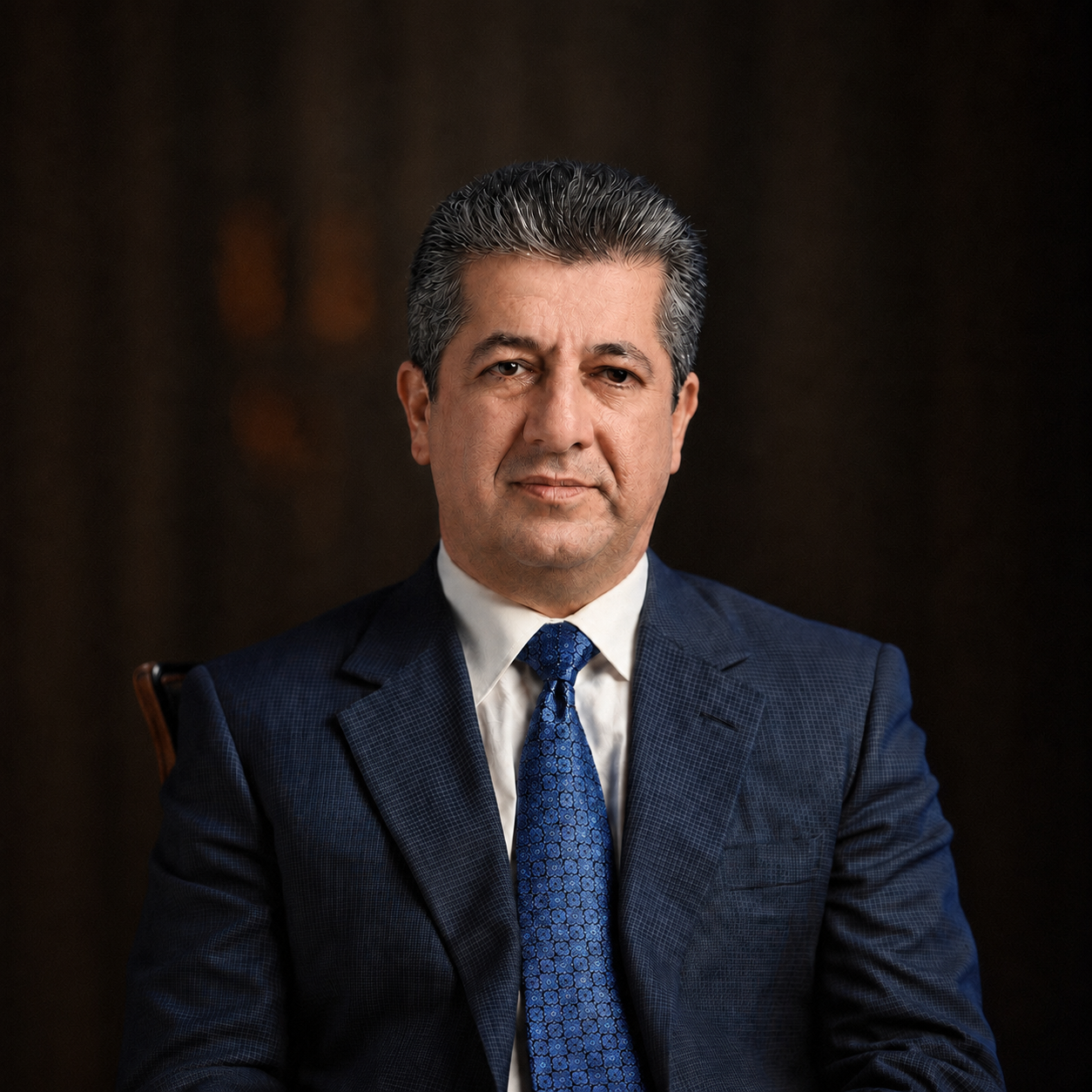
Widely honoured as “The General of the Mountains”
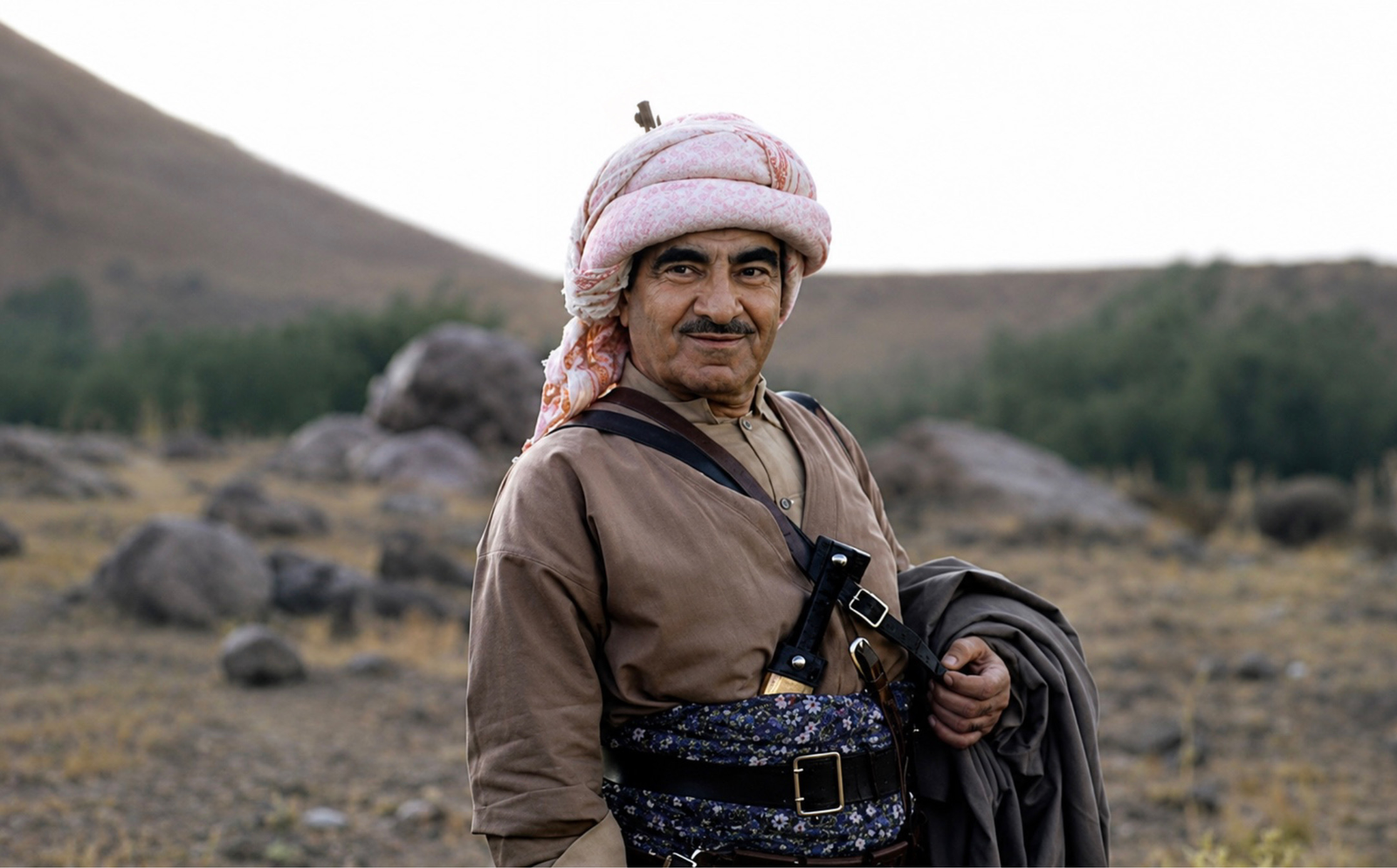
Mullah Mustafa Barzani was one of the most influential leaders of the modern Kurdish national movement and the founding president of the Kurdistan Democratic Party. His life was devoted to the defence of the Kurdish people, the preservation of their national identity and the pursuit of their political and democratic rights.
Born in Barzan in 1903, Barzani emerged as a national and military leader during a decisive period in Kurdish history. He played a central role in the Republic of Mahabad, serving as a senior military commander and defending the republic until its collapse in 1946. In that same year he was elected president of the newly established Kurdish Democratic Party in Iraq, later known as the Kurdistan Democratic Party.
Following the fall of the Republic of Mahabad, Barzani led his Peshmerga through a historic withdrawal and entered exile in the Soviet Union. After eleven years away from his homeland, he returned to Iraq in 1958, where he resumed his political leadership and reorganised the Kurdish national movement.
In 1961 he led the September Revolution, one of the most important chapters in the modern Kurdish struggle. Under his leadership the revolution united broad sections of Kurdish society around demands for national recognition, political participation and self-government within Iraq.
The sustained struggle and the negotiations that followed culminated in the Autonomy Agreement of 11 March 1970 — a historic acknowledgement by the Iraqi state of Kurdish national rights, and the first legal framework for Kurdish autonomy.
Mullah Mustafa Barzani remained the historic leader of the KDP and the Kurdish national movement until his death in Washington, D.C., on 1 March 1979. His leadership shaped the identity and direction of the party and left an enduring legacy of courage, unity, resistance and devotion to the rights of the people of Kurdistan.